During my sophomore year, I represented the West Virginia University Eberly Writing Studio at the 2018 International Writing Centers Association Conference. At this conference, I not only exercised my public speaking and collaboration through a group poster presentation, but I also learned how to network and interact with fellow writing consultants and coordinators across the country. I learned the strategies that other writing studies employ and find most effective, which I began integrating into my own consulting.
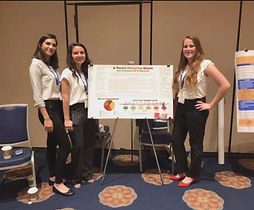

The poster that my group members and I created is pictured below. Our project covered the topic of genre awareness within the Eberly Writing Studio. Genre awareness is a consultant's level of knowledge regarding the writing conventions across genres. My group members and I decided on this topic because it is an essential part of creating a productive and effective consulting session. Our presentation integrated research from multiple sources and included our own personal experience with using genre awareness as consultants. Additionally, we added an interactive feature that asked viewers to rate their level of comfort or discomfort if a student asked for help writing an assignment in a non-English class. By doing this, we were able to get audience input and create an open discussion about genre awareness in other writing studios. Multiple writing studio directors in other parts of the country asked for our resources and help expanding the genre awareness among their own consultants.

After my experience at the IWCA conference in 2018, I decided to attend again. Instead of creating another poster presentation, I decided to participate in a panel discussion with my writing studio director, coordinator, and fellow consultant. I found this type of presentation to be even more rewarding than the last, as it is structured around conversing with other writing studio consultants and directors. This way, the audience could learn how our studio functioned in comparison with theirs, and vice versa.

Our panel presentation focused on our different perspectives of the writing studio through ethnographies. This way, we were able to utilize and analyze the different roles that we fulfill in our positions as director, coordinator, and consultants. We studied consultant-student, student-student, coordinator-consultant, and coordinator-student interactions to determine how people felt about coming to the Eberly Writing Studio for help. We furthered our analysis by applyng different theories of communication to the interactions that we observed and contained identifiable patterns. Because this was a panel-based discussion, we were able to compare the atmosphere of the Eberly Writing Studio with other writing studios and learn about the similarities and differences among them. Images of the PowerPoint presentation are pictured below.


Although the 2020 Appalachian Studies Association Conference was canceled last minute due to COVID-19, my fellow researchers and I were still able to present our linguistic analysis and findings at a WVU-based gathering for the English Department. Even though we had to quickly adapt due to extenuating circumstances, I am still grateful for the experience and all that it taught me in my final year at WVU. Not only did I learn how to do graduate-level research through different programs, but I broadened my knowledge of the dialect features present in Appalachia and challenged myself by present research out of my comfort zone.


